
Blooming Inspiration: My Creative Journey at the 2026 Chelsea Flower Show

The Chelsea Flower Show is a world-renowned event that draws garden lovers, designers, and creatives from across the globe. Attending the 2026 show on Wednesday, 20th May, with one of my closest friends (we attend every year together) I found myself immersed in a world where nature and design blend seamlessly. The experience sparked new ideas and deepened my appreciation for how floral artistry can influence creative work beyond gardening. Here’s a detailed look at what made this visit unforgettable and how it inspired my graphic design practice.
The Vibrant Welcome: Floral Displays Outside the Show
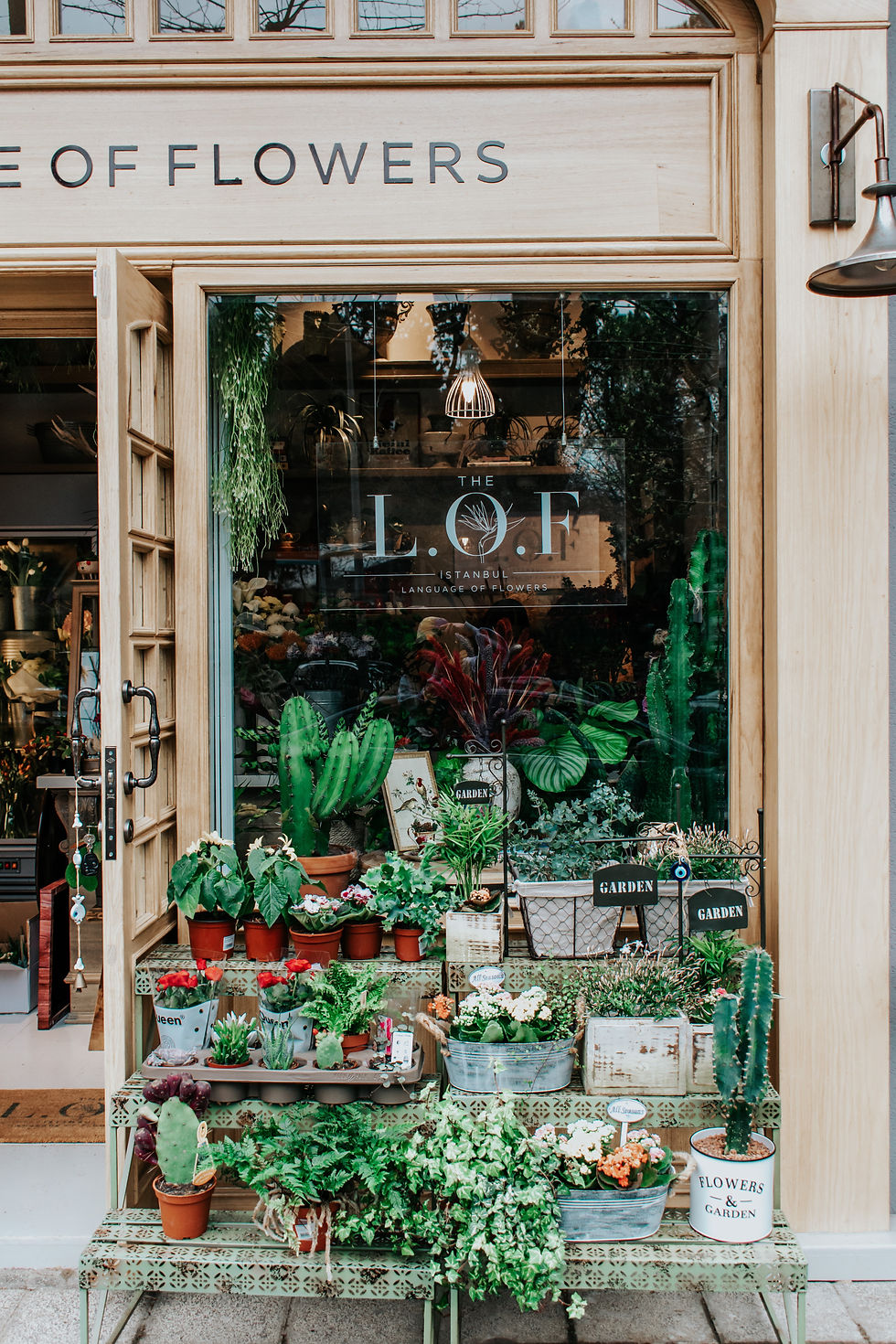
Before even stepping inside the gates, the atmosphere was alive with colour. The shops lining the streets near the show were adorned with bright floral displays that caught my eye immediately. These external decorations set the tone for the day ahead, offering a lively contrast to the more muted tones I would later see inside the exhibition.
The bright flowers outside felt like a celebration of life and energy. They drew visitors in with their bold hues and playful arrangements. This use of colour reminded me of how graphic design often relies on eye-catching visuals to create a strong first impression. The floral displays outside the show were a perfect example of how to attract attention without overwhelming the senses.
Inside the Exhibition: Muted Tones and Wild Plantings
Once inside the show, the mood shifted. The exhibitions embraced softer, more muted tones and incorporated wild plantings that felt natural and unforced. This contrast to the external displays created a calming effect, inviting visitors to slow down and appreciate the subtle beauty of the plants.
The wild plantings were especially impressive. They looked as if they had been growing for years, with layers of textures and colours blending effortlessly. This naturalistic approach showed a deep understanding of plant behaviour and seasonal changes. It also reminded me of the importance of balance and harmony in design, how different elements can come together to form a cohesive whole without losing their individual character.
Commitment to Stand Design in the Marquee
The marquee was a hive of creativity, with each stall showcasing not only plants but also a strong commitment to stand design. The stalls were carefully crafted to complement their plant displays, using materials, shapes, and layouts that enhanced the overall experience.
One stall featured a minimalist design with clean lines and neutral colours, allowing the plants to take centre stage. Another used rustic wood and natural fabrics to create a cosy, inviting atmosphere. These thoughtful design choices showed how physical space and presentation can elevate the impact of the plants on display.
The Impressive Nature of Garden Builds
One of the most striking aspects of the Chelsea Flower Show is the garden builds themselves. These are not simple plantings but fully realised garden environments that look like they have been established for years. The designers achieve this by carefully layering plants, using mature specimens, and incorporating natural elements such as rocks, water features, and pathways.
Walking through these gardens felt like stepping into a living painting. The attention to detail was remarkable, from the choice of plants to the way they were arranged to create depth and perspective. This level of craftsmanship requires not only horticultural knowledge but also a strong sense of spatial design and storytelling.
Connecting Garden Design with Graphic Design
As a graphic designer, I found many parallels between the Chelsea Flower Show and my own work. Both fields require a keen eye for composition, colour, texture, and balance. The gardens and stands at the show demonstrated how these principles can be applied in three-dimensional space, creating immersive experiences rather than just visual ones.
The show inspired me to think about how I can bring more natural elements into my graphic projects. For example, using muted colour palettes and organic shapes can create a sense of calm and authenticity. The layering techniques used in garden design also offer ideas for creating depth and interest in layouts.
Practical Takeaways for Creative Work
Here are some specific lessons I took from the Chelsea Flower Show that I plan to apply in my design work:
Use contrast to guide attention: Just as the bright floral displays outside the show drew visitors in, using contrasting colours or elements in design can direct the viewer’s focus effectively.
Embrace natural textures and tones: Muted colours and organic textures can create a soothing and approachable feel in design, much like the wild plantings inside the exhibition.
Design with space in mind: The way garden builds use space to create depth and flow can inspire more dynamic and engaging layouts in graphic design.
Tell a story through design: Each garden at the show had a narrative, whether it was about nature, sustainability, or cultural heritage. Incorporating storytelling into design adds meaning and connection.
Balance simplicity and detail: The stalls in the marquee showed how a simple structure can be enhanced with thoughtful details, a principle that applies to both physical and digital design.


Comments